
Beyond the Stake: Exploring Sustainable and Secure Anchoring Solutions for Outdoor Adventures and Temporary Structures
Look, I’ve spent way too many hours wrestling with tent stakes. Maybe you have too. We all know the drill—hammering metal into stubborn ground, watching it bend into a useless pretzel, or realizing the soil is so loose your gear is basically unsecured. It’s a nightmare. But honestly? Beyond the frustration of a collapsed tent at 3 AM, there’s a bigger conversation here about the actual impact we’re having. The environmental cost. The security. It is time—past time, really—to look beyond the humble stake. We need sustainable, secure, and actually versatile anchoring solutions for outdoor adventures and temporary structures.
The Limitations of Traditional Stakes and Why We Need Alternatives
Traditional tent stakes have been a staple (pun intended, sorry) in gear kits for decades. Why? They’re cheap. Lightweight. Simple. And in perfect, manicured grass? Sure, they work. But the cracks in the armor are showing. From their environmental footprint to performance that is, to be fair, often unreliable, we need something better.
Environmental Concerns and Damage to Ecosystems
Think about it. Every single time you drive a stake into the ground, you are causing a disruption. Repeated staking in popular campsites? It leads to soil compaction. Hard stop. This harms delicate root systems and completely alters drainage patterns over time. And then there\'s the waste. Bent, broken, lost stakes... usually plastic or cheap metal, left to rot in wild spaces. It seems small—one stake, one camper—but multiply that by millions each year? The impact is massive. Our adventures shouldn\'t destroy the ecosystems we claim to cherish.
Performance Gaps in Diverse Terrains
How many times have you cursed a stake that just won\'t hold? Traditional designs are fine for loamy soil, but step outside that goldilocks zone and they fail. Miserably. Sandy beaches, loose gravel, rocky outcrops, frozen ground... the list goes on. I’ve personally spent hours—literal hours—trying to secure a tent in high winds on a sandy coast. The stakes pulled out. Repeatedly. It’s not just an inconvenience; it becomes a safety hazard when your shelter is compromised in the backcountry.
Innovative Stake Alternatives: A New Era of Anchoring
Fortunately, the industry woke up. Resourceful adventurers and engineers have risen to the challenge, developing an array of alternatives that are actually effective. And sustainable. We are entering a new era of anchoring where ingenuity meets reality.
Deadman Anchors and Natural Resource Utilization
One of the most satisfying \'Leave No Trace\' methods is the deadman anchor. Sounds ominous, works beautifully. This technique involves burying an object—log, large rock, stuff sack filled with sand or snow—horizontally. Connect it to your guyline, bury it again. Done. The wider the object, the more surface area for friction. It creates a hold that is shockingly strong. In sandy or snowy conditions where normal stakes are useless? This works. It utilizes natural resources responsibly. Minimal impact. Maximum hold.
Advanced Ground Anchors and Devices
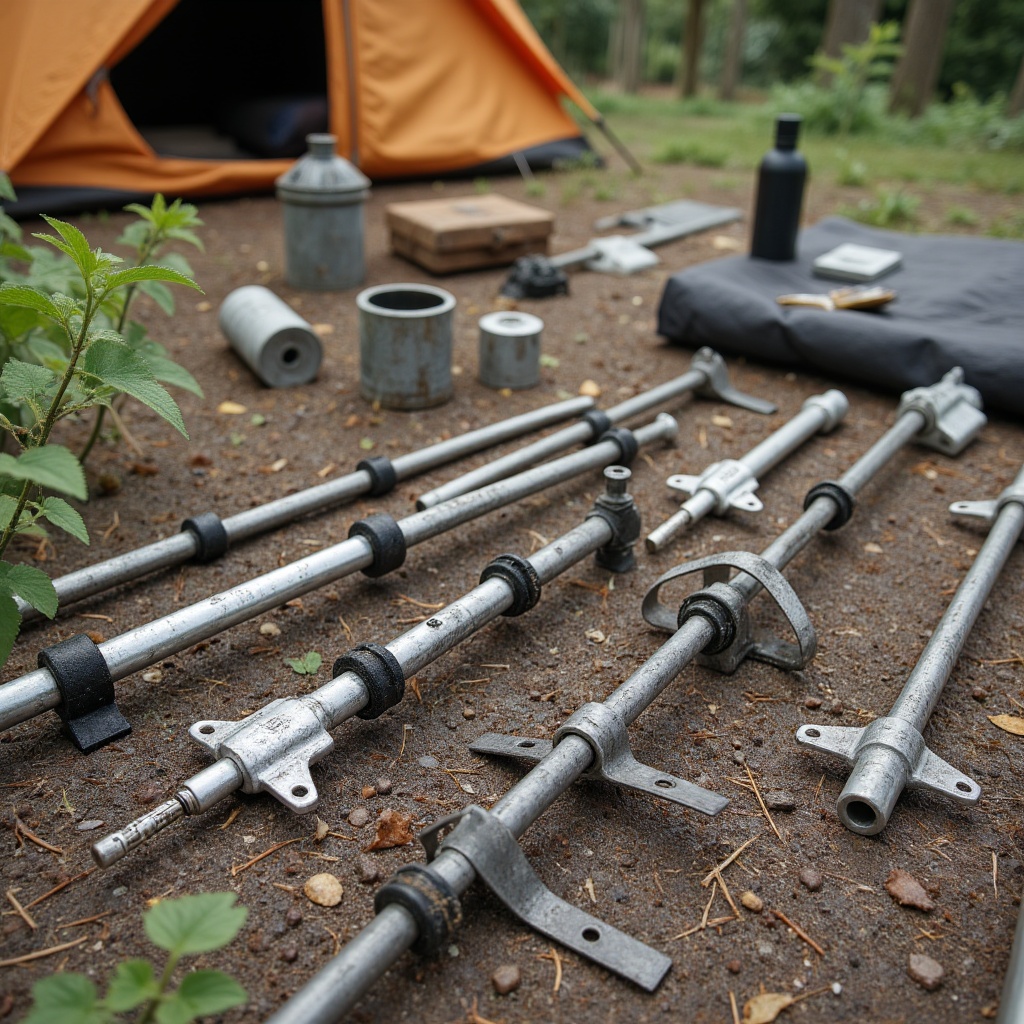
Then you have the specialized gear. Beyond natural materials, there’s a world of devices designed for superior hold. Screw-in anchors that bore deep into the earth—think giant corkscrews for the ground. Unshakeable grip. Or innovative high-tension guyline systems that actually distribute force effectively instead of snapping. Even specialized snow and sand anchors designed for extreme environments. These aren\'t your grandpa\'s tent pegs; they\'re engineered for specific structural loads. If you are looking for these tools—whether for a lightweight backpacking rig or a massive event shelter—finding a robust stake alternative can connect you with ingenious solutions from actual gear specialists.
Choosing the Right Anchor: Factors for Sustainable and Secure Setup
So, with all these options... how do you decide? It’s not one-size-fits-all. You need to think about your specific needs, the environment, and what you’re trying to secure.
Terrain Assessment and Material Considerations
Before you even pack, stop. Where are you going? Sandy? Rocky? Forested? Terrain assessment is critical. In sand or snow, deadman anchors or specialized stakes will outperform metal pins 99 times out of 100. Rocky terrain? You might need to use existing features like boulders (carefully!) or robust screw-in anchors that can navigate crevices. Material matters too. Durable, corrosion-resistant metals or strong recycled plastics are your best bet for longevity. Don\'t buy garbage that breaks after one trip.
Weight, Portability, and Ease of Use
For backpackers, every ounce counts. I get it. Lightweight solutions are paramount. Sandbags you fill on-site, compact screw-in anchors, or using trekking poles as improvised deadman anchors... game changers. For car campers or event organizers? Weight is less of an issue. Go for the substantial, heavy-duty stuff. And consider deployment ease. A system that is quick to set up when the weather turns? Invaluable. Trust me.
Best Practices for Minimal Impact Anchoring
Whatever you choose, the principle of \'Leave No Trace\' has to guide you. The goal is simple: enjoy the outdoors, leave it pristine. Or better.
Site Selection and Preparation
A little foresight saves a lot of headache. When choosing a campsite, look for areas already used. Minimize new impact zones. Don\'t crush fragile vegetation just because it looks soft. Clear small debris, ensure the ground is suitable. If you use deadman anchors? Dig carefully. Minimally. Replace the soil exactly as you found it.
Proper Removal and Restoration Techniques
The job isn\'t done until the site is restored. When breaking camp, remove all anchors meticulously. No fragments left behind. If you dug holes, backfill them completely. Smooth the earth. Return rocks or logs to their original spots. The goal? Future visitors should have zero clue you were ever there.
Beyond Tents: Anchoring Temporary Structures and Event Gear
My focus is usually on personal adventures, sure. But these principles extend way beyond individual tents. Think about temporary structures for events, markets, emergency shelters... Large event tents, vendor stalls, banners, temporary stages. They all need robust anchoring. Safety. Stability. Especially when the weather gets unpredictable.
Apply the same thought process. Use heavy-duty deadman anchors—water barrels, concrete blocks—or specialized ground screws. Robust tensioning systems are critical here. These larger-scale applications benefit immensely from advanced solutions designed for serious loads. Prevents costly damage. Ensures public safety. It’s a testament to how these methods provide peace of mind, whether you\'re sleeping under the stars or managing a chaotic outdoor event.
Conclusion
Moving beyond the traditional tent stake isn\'t just about finding something \'better.\' It\'s about embracing a thoughtful, secure, and responsible approach. From the elegance of deadman anchors to the engineering of advanced ground devices, the options are there. We can ensure our shelters are planted firmly without leaving a lasting footprint. Understand the terrain. Choose the right solution. Practice Leave No Trace. It’s a small shift in mindset, but it yields massive benefits for our safety and the stewardship of these wild places.